What Gamified Literacy Looks Looks Like in Action
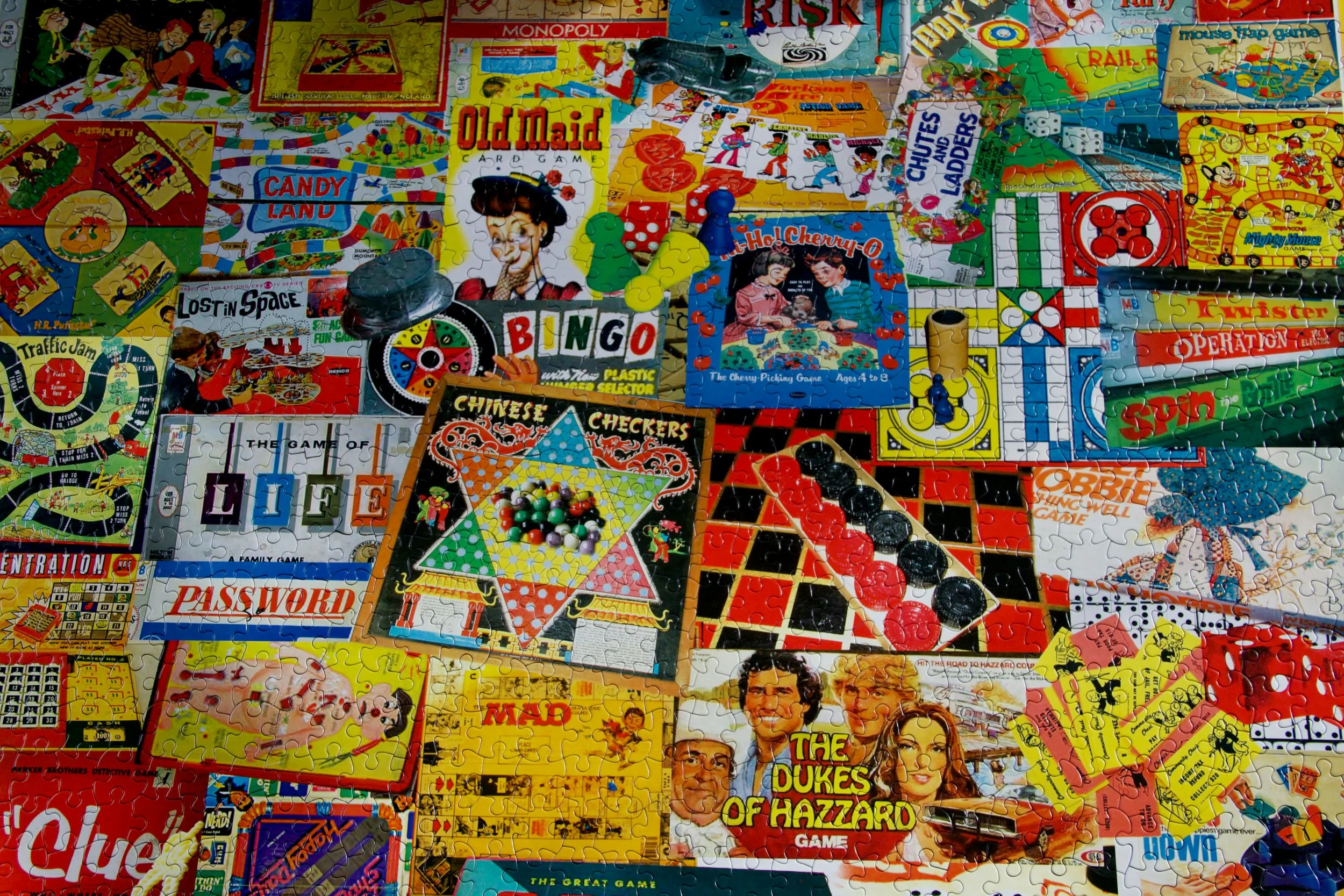
collage of board games
Over the summer, I spent time hunting for new literacy games to excite my students for the upcoming school year. Why? The answer is simple: games encourage a natural love for learning and inspire risk-taking far better than workbooks or worksheets.
For many children, paper drills quickly become boring and repetitive. This creates a real challenge, because mastering a literacy skill requires high-volume practice and repetition. Games bring the essential element of play back into learning—and play is a defining, joyful part of childhood.
The Confidence Gap: A 1st Grader’s Story
I saw this power of play firsthand with one of my first graders. When we first started working together, I used a game called Word Seeds to assess her reading. Through the game, I could see that she could read words with short vowels, digraphs, and blends in isolation with relative ease.
Seeing her success, I brought a decodable book to our next meeting. To me, transitioning from single words to connected text felt like the next logical step toward mastery.
We opened the book, but after just a page and a half, she completely shut down.
Going from reading individual words in a game to facing dense sentences on a book page was simply too overwhelming. I realized I needed to take a step back. While I knew she had the decoding skills to read those words, she didn't have the confidence yet to handle them in a book.
Instead of pushing through the frustration, we returned to play. We spent the next few weeks playing dice games, phonics bingo, and adapting classic board games like Connect Four using individual words and isolated sentences. Through these low-stakes games, she got the repetition she needed to recognize what I already knew: she was a capable reader. A few weeks later, when we reopened the decodable book, she sailed through it with confidence.
Why Play Works When Worksheets Fail
When a child feels anxious or overwhelmed by reading, their brain shifts into defense mode. In education, we refer to this as a high "affective filter"—an emotional wall that goes up when a child feels stressed or fears making a mistake. When that wall is up, learning stops.
Structured play acts as a natural reset button for that emotional wall because:
Mistakes lose their sting: Losing a turn or drawing a tricky card is just part of the game—it removes the personal shame of "getting it wrong."
The stakes stay low: Games create a safe space where children feel comfortable taking cognitive risks, like sounding out a tricky word.
Repetition feels weightless: Reaching mastery requires hundreds of exposures to a phonics pattern. A sheet of 50 drill sentences feels like a chore, but reading 50 word cards to win a game feels like an accomplishment.
Bringing Gamified Reading to Life at Home
You don't need fancy apps or specialized kits to bring gamified literacy into your routine. The magic happens through tactile, shared play by modifying simple games you likely already own:
Board Game Upgrades (Jenga & Connect Four): Use a dry-erase marker or small sticker labels to write target decodable words directly on Jenga wooden blocks or Connect Four chips. Players must read the word on the tile before pulling it out or dropping it into the grid.
Double-Card Candy Land: Keep your standard color deck, but add a second pile of decodable word or sentence cards. On each turn, players must read a card from the sentence pile before drawing their color card to make their move.
Alphabet Go Fish & Matching: Write uppercase letters on one set of index cards and matching lowercase letters on another. Play classic Go Fish or memory matching to build instant letter-sound recognition and visual discrimination.
Vocabulary with Apples to Apples Jr. & Hedbanz: Use games like Apples to Apples Jr. to build semantic networks, synonyms, and word associations. Use Hedbanz to practice descriptive language, asking targeted yes/no questions to strengthen oral vocabulary and executive function.
Nurturing Joy Alongside Skill
Reading shouldn't feel like a battleground. When we bring play into learning, we don't just help children decode words faster—we protect their relationship with reading.
Our ultimate goal isn't just to build a child who can read, but to nurture a child who wants to read. And sometimes, the best way to bridge the gap between skill and confidence is simply rolling the dice.